Pulp Corporation · Brooklyn, New York
There's more to communication than words.
We make authentic engagement easy. Make and deliver interactive content, spark conversation, and avoid the risks that come with disengagement. Learn more on our API page.
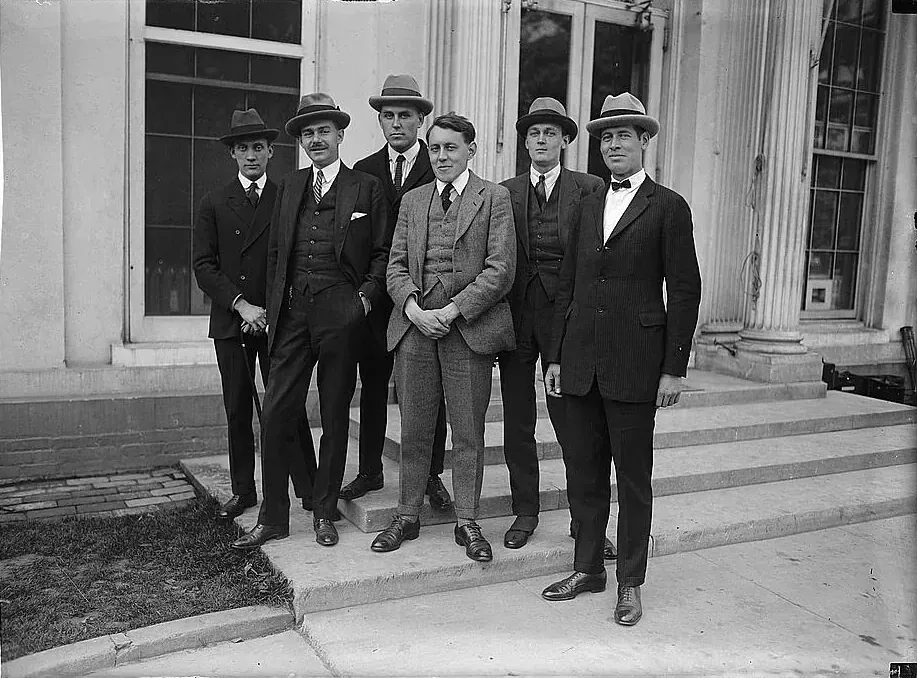 Photo: Library of Congress
 Photo: Associated Press

 Photo: Aldebarium

 Photo: Fred Thompson campaign

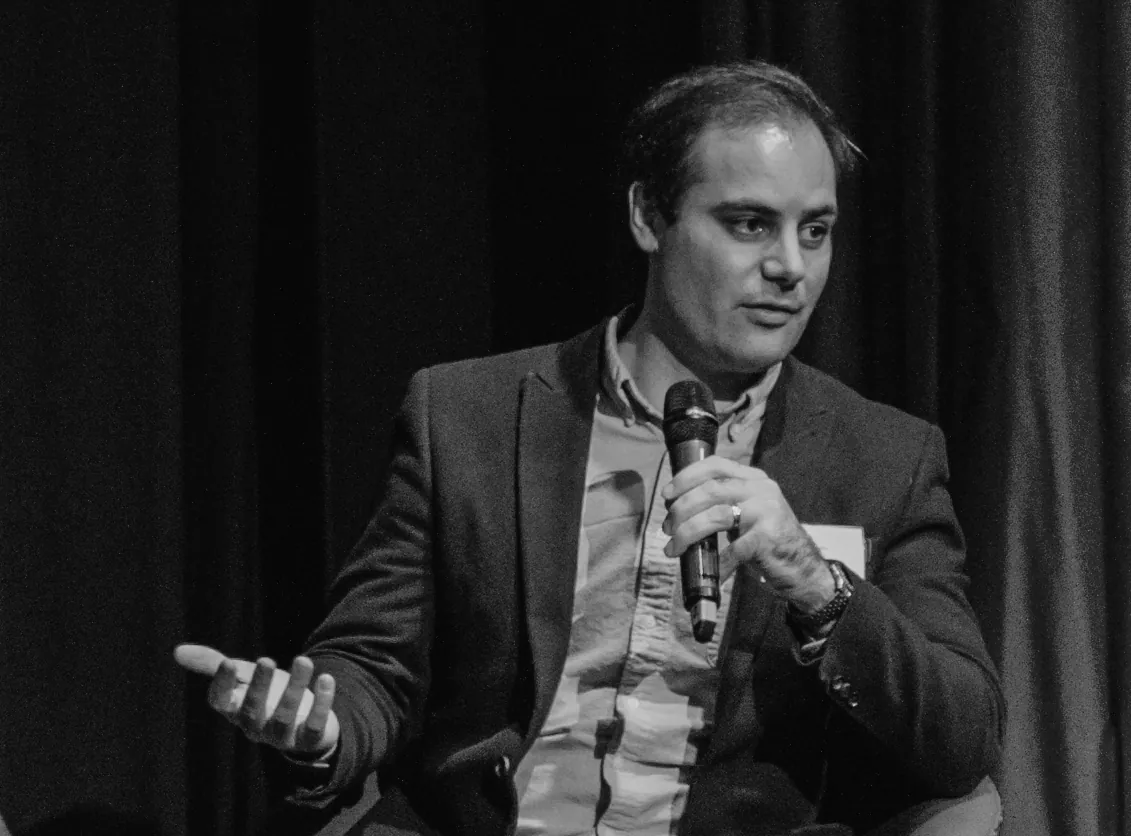 Photo: Anne Schwarz Photography

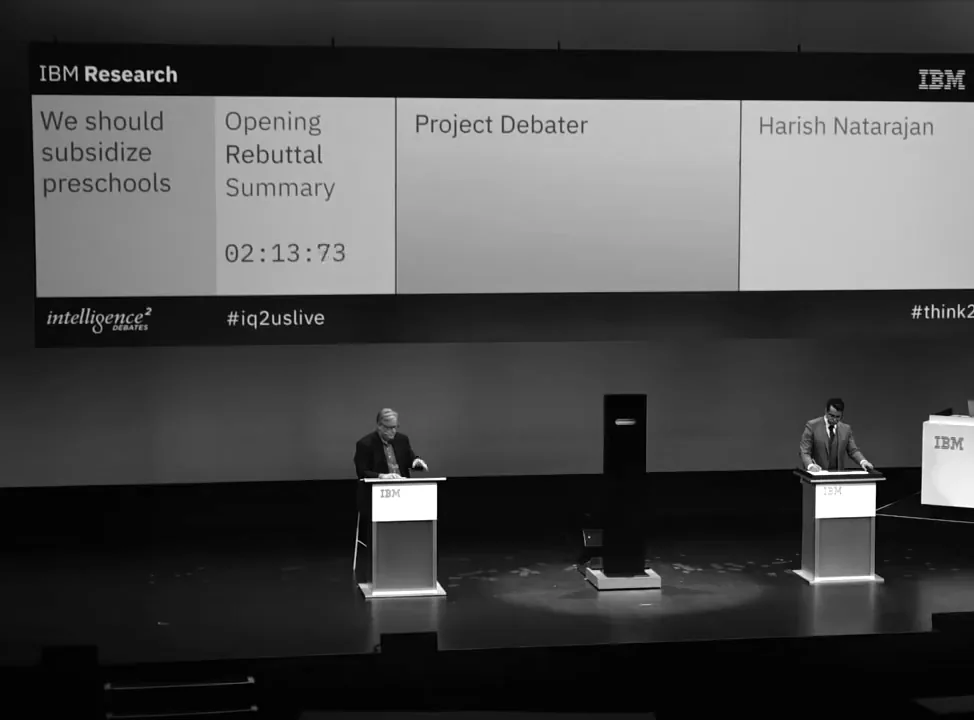 Still: IBM Research
Where it started
Why can't I see the score?
A debate ends with a ballot: a verdict, and no arithmetic. Courts, legislatures, boardrooms, and ad markets all run on persuasion, unscored. That question became Pulp.
What you can use it for
From a single thought to billions of conversations.
- One to selfReflect on your own thinking: what you said, and what you meant by it.
- One to oneKeep track of who promised what, and who followed through.
- One to manyFind out from real people who your message won over, and who pushed back.
- Many to oneSee what everyone is telling the one person who decides.
- Many to manyRun discussions where the better argument wins, however quietly it’s made.
- Many to many to many to manyFollow an idea as it travels from one community to the next.
What we make
One product now. Five more in the lab.
Thinkwell
Built to sharpen your thinking
Your team plans, writes, tests, and publishes in one place, and sees how people will take each piece first.
Meet ThinkwellPulp Labs
Five more in the works
Pulp Trust, the Pulp API, typodojo, loosethreads, and suade. Join the newsletter for a first peek.
Step into Pulp LabsPulp PROS
A workforce for after AI
A nonprofit, 501(c)(3) pending, home of the Pulp AI Apprenticeship.
Meet Pulp PROS
How we understand people
We look at people three ways.
One looks from far away, one up close, and one from every angle. Together, they connect what people say, what they believe, and what they do.
Hover or tap a drawing to see what it measures.
From afar
The telescope
Follow how views move across a city, a country, or a decade, and catch a shift while it is still a murmur.
Up close
The microscope
Get to know the one person you need to reach: who they are, what they care about, how they feel right now, and where they are when they hear you.
From every angle
The kaleidoscope
Turn one message in your hands and see why people decide: who says it, how it feels, its logic, and its timing, sentence by sentence.
At its core
One system: people, what they say to each other, and how it changes them.
The microscope looks at the people, and the kaleidoscope at what they say. The telescope watches what it does to them, over months and years.
Every number says how far to trust it.
- We read the message itself.Each sentence, on named dimensions, with the reason for every reading. Of five competitors whose pages we read, none reads the message itself.
- Your draft, against the norm for its kind.Thinkwell says it in plain words: "very high for an op-ed." The norms cover 12 kinds of text, from about 1,500 texts we read.
- Anchored on real people.Every audience number rests on real people, weighted by how well each one is verified. Model predictions are locked before the outcome comes in, and corrected against people.
- Tests written down first.We register each test before we run it, and publish the result, including a no.

Think about how you think.
Every new technology changes what people can do, and how we learn, reason, and understand the world.
AI is a rare chance to study how people think. So we build tools that sharpen your thinking and help people understand one another. Technology should make more of human intelligence, not ask us to surrender it.
There's still a lot to learn about how people think. We'd rather help figure it out than watch from the sidelines.
The people
Committed to conversation.
Say hello to builders, operators, researchers, and more than 100 apprentices. See the dots? Each one is the color that person picked for Pulp's palette.
 In her words · our newest apprenticeMilana Kumar: same vector, new basisFrom political science to applied math, a robotics team, a font of her own, and Pulp.
What's on your mind lately?
If you think Pulp can help you learn about an audience or solve an engagement problem, we'd love to hear from you. Schedule a meeting, send us a note, or just say what's up!